
Perhaps the British Invasion of pop music into North America in the 1960's by Sir Paul, the Beatles et al. was inevitable ... a reversal of events from decades earlier. Through the 1920's and '30's there was a protracted flow of syncopated, jazzy, 'popular' music from North America into British dance halls, clubs and hotel ballrooms. This influx of popular (dance) music gave birth to a plethora of first rate British dance bands. The rapid growth of 'popular music' on both sides of the Atlantic was driven by a burgeoning (international) recording industry, talking! movies, and the rapid establishment of widespread commercial radio broadcasting. Hit songs were performed by equally-talented musicians in Britain (and Europe) within days of their North American release. Tunes that once "swept the (USA) nation" were now literally sweeping around the world. Clubs and halls everywhere overflowed with young couples eager to hear and dance to the latest hot bands and crooners. They were treated to everything from trios and small groups right up to full, multi-section dance bands. At the pinnacle of this hierarchy were the bands who had contracts playing large venues like hotel ballrooms. Steady work and good pay attracted top performers to these bands, (even though the leader's 'book' of arrangements didn't always have a lot of the 'hot' jazz tunes that they might have preferred). Here, for comparison, are a couple of the era's top bands, (actually orchestras, since both leaders were string players and frequently added strings to augment 'the band').
Proclaimed by the press as the "King of Jazz", Paul Whiteman began his musical career playing classical violin and viola, later conducting a U.S. Navy band, eventually forming his own orchestra after the end of WW1. His skill as an arranger, leading a string of successful orchestras, together with his business acumen, propelled Whiteman and his various ensembles to superstar status. Although he eschewed ad-lib improvisation in his arrangements, Whiteman borrowed heavily from other jazz arrangers, bands and even classical sources. His music was jazz-inspired and certainly contained jazz figures, but the carefully crafted charts allowed little room for improvisation. He actively sought out rising jazz talents to star in his outfits and numerous performers who passed through Whiteman's bands would go on to become famous in their own right. Crooner Bing Crosby got his start with Whiteman, as did the Dorsey brothers and many others. His orchestras were well disciplined and consistently delivered well-rehearsed arrangements to an adoring public. He mentored many promising artists and in 1924 commissioned George Gershwin to create his Rhapsody In Blue. Although a significant number of his early recordings were made acoustically, (electric recording only becoming available in 1925), the musicianship of his groups is always obvious. His bands and orchestras were everywhere - on stage, on records, in the movies and on the radio. Paul Whiteman assembled and conducted orchestras, composed original music, appeared in films, eventually directing a large and profitable musical empire, but his real legacy is the over 3000 musical arrangements that defined 'popular', jazz-inspired, music in America for almost two decades.
Although never achieving the same fame and fortune as his American contemporary, the career of British band leader Bert Ambrose, (or just "Ambrose", as he preferred to be called), has distinct similarities to Whiteman's. A trained violinist, Ambrose sailed from London to New York as a teen and wound up leading a 15 piece band at the Palais Royal at age 20. He crisscrossed the Atlantic several times before settling in at London's prestigious Embassy Club. Like Whiteman, Ambrose quickly realized the importance of radio to further his career, so he eagerly accepted a contract offer from the new Mayfair Hotel that included regular broadcasts. (The Embassy Club had a 'no broadcasts' policy). Ambrose sought out top talent - promising young performers as well as experienced arrangers and players, paying them all top wages to build his orchestras and, like Whiteman, fronted large ensembles that often included strings and other orchestral features. Some of the talent that passed through Ambrose's orchestras also went on to solo fame or to lead their own outfits, (e.g. Vera Lynn, Anne Shelton, Ted Heath, George Melachrino, George Shearing etc.). The Mayfair gig lasted for six years, during which time the band made probably it's most memorable recordings. No stranger to America, (having worked there and regularly drawing talent from top American dance bands over to England), it is interesting to speculate whether Ambrose ever met Whiteman. Bert Ambrose's music certainly mirrored the style and substance of Whiteman's operations in America, giving fans on both sides of the Atlantic the same exposure to "orchestral (symphonic) jazz".
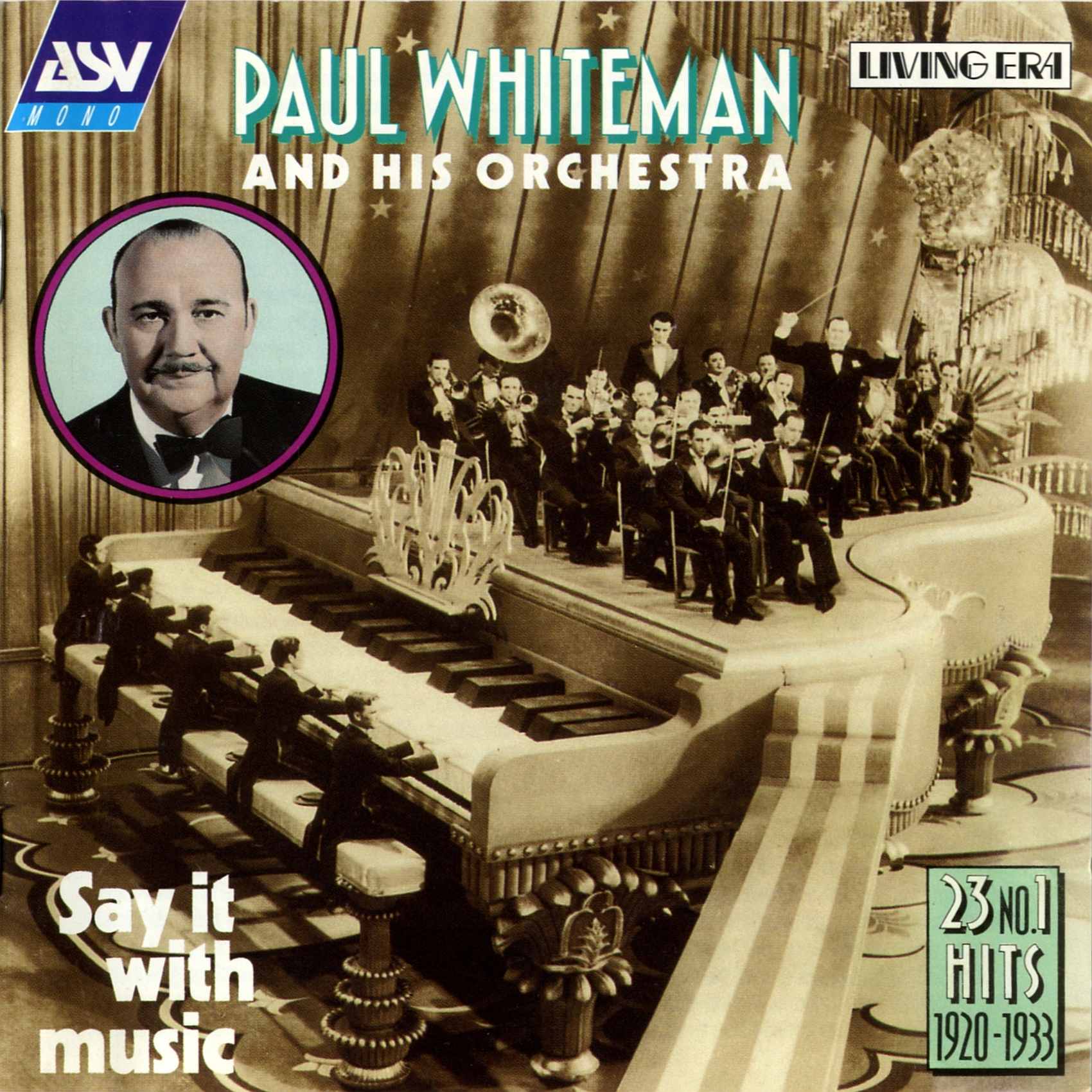
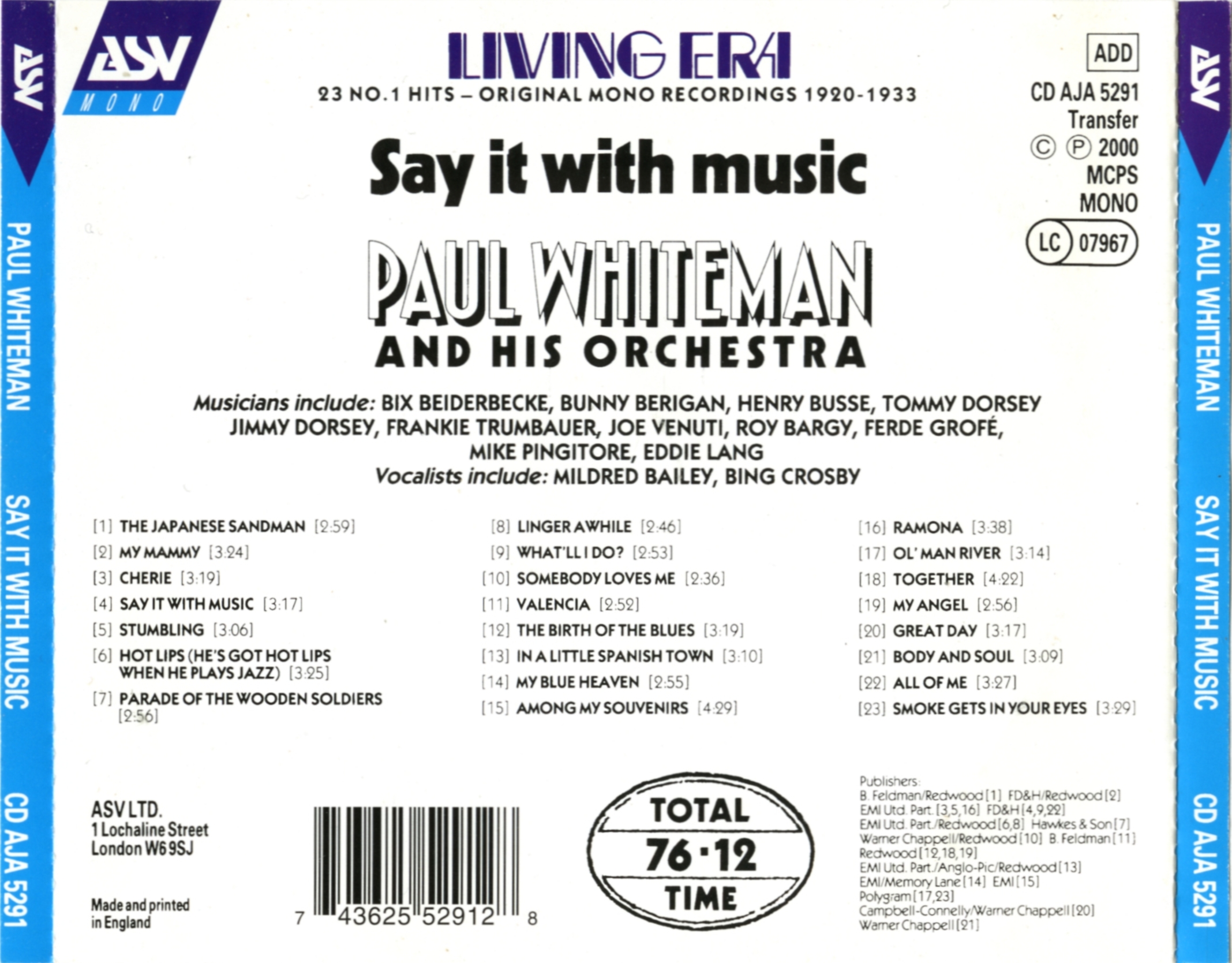
Paul Whiteman
Say It With Music

Somebody Loves Me (1924)
Gershwin / MacDonald / DeSylva
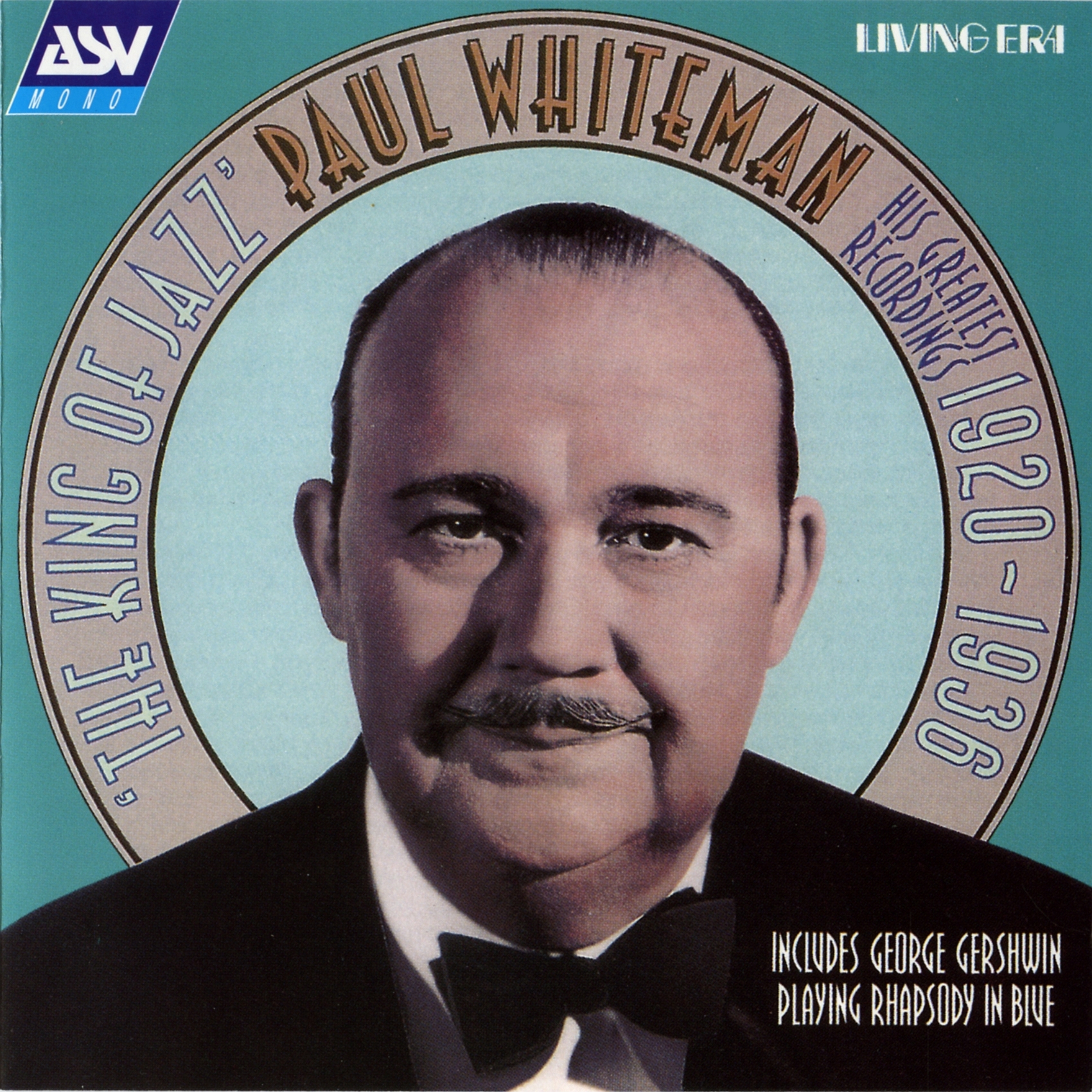
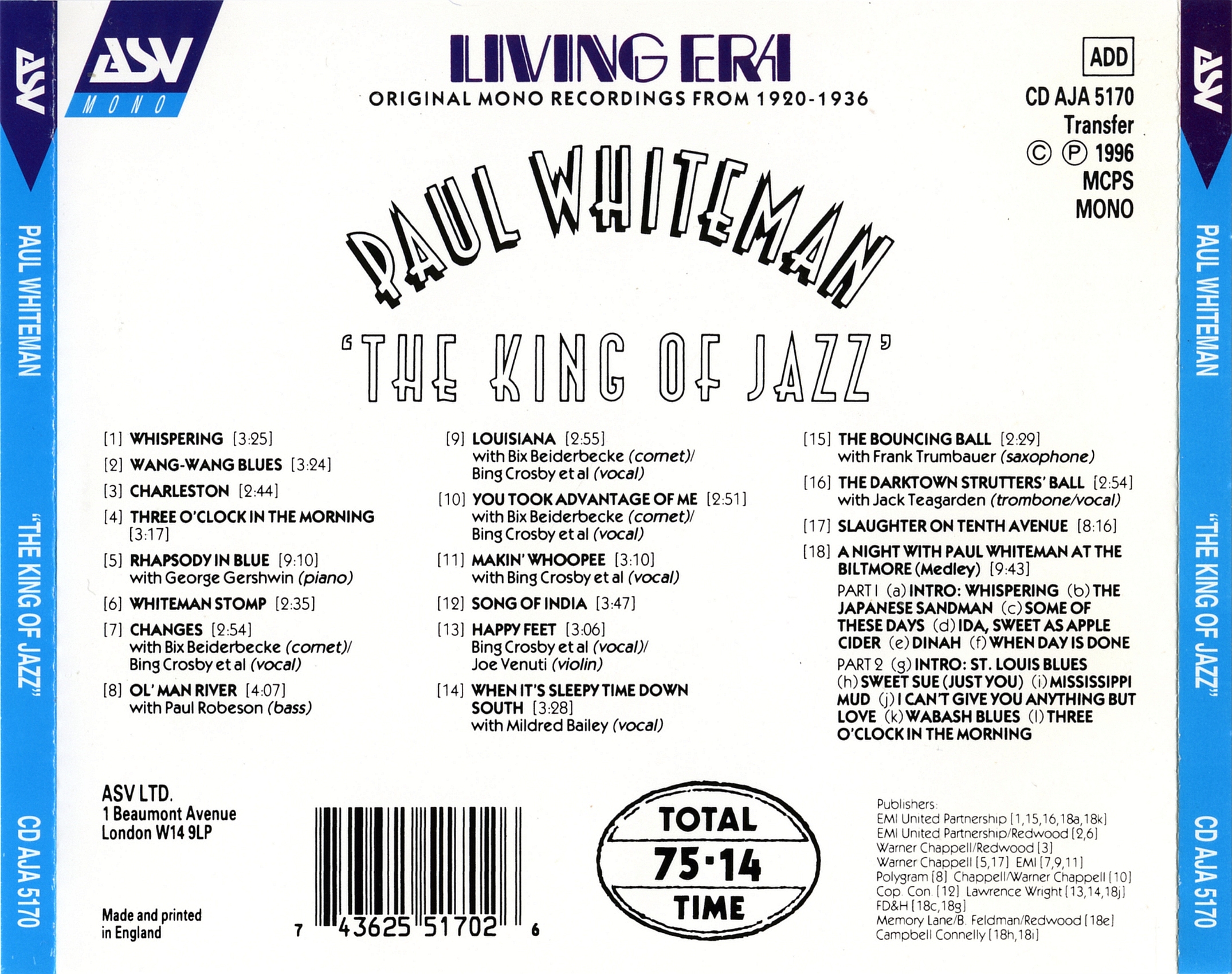
Paul Whiteman
'The King of Jazz'
Happy Feet (1936)
Yellen / Ager
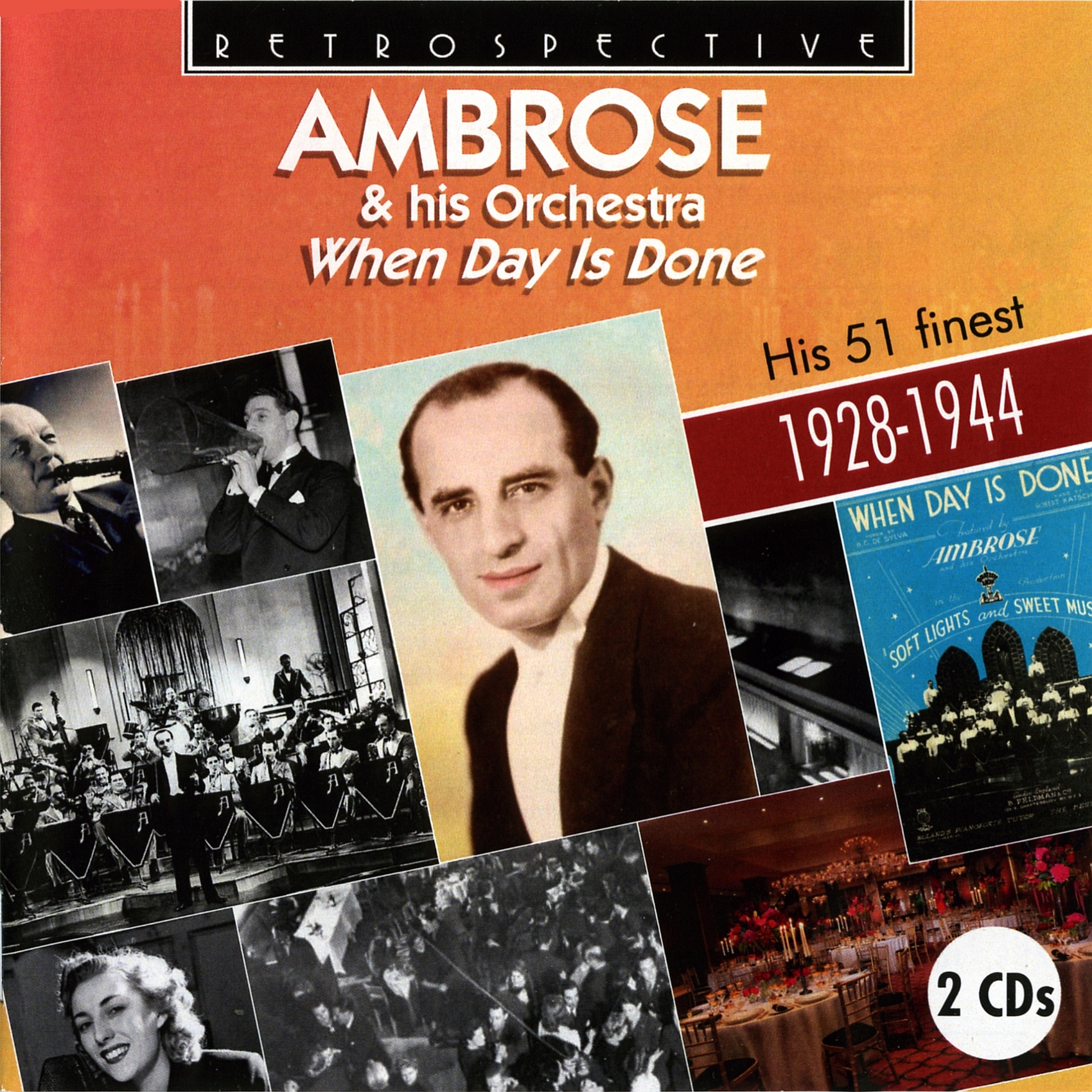
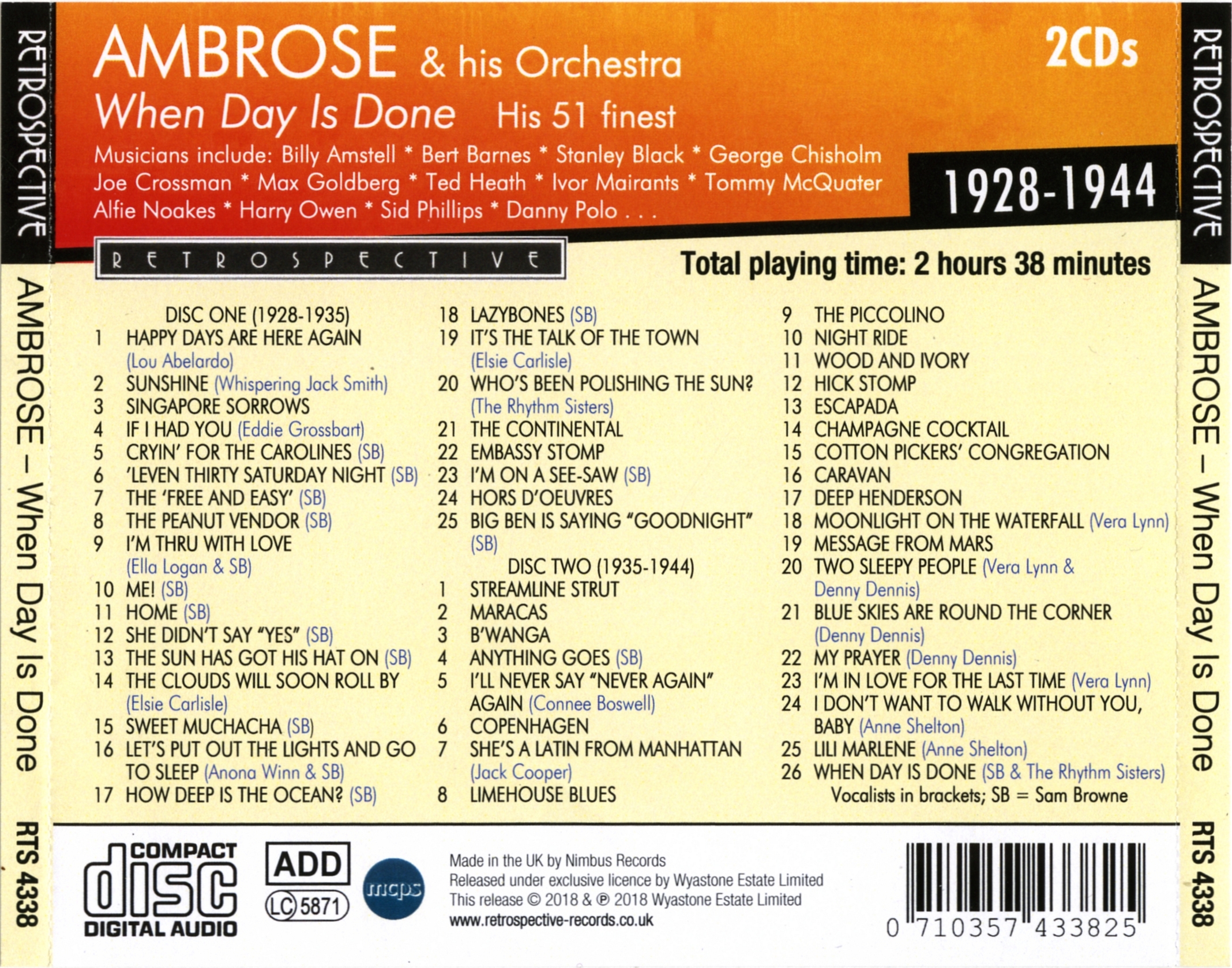
Bert Ambrose
When Day Is Done
Hors d'Houvres (1935)
David Comer